
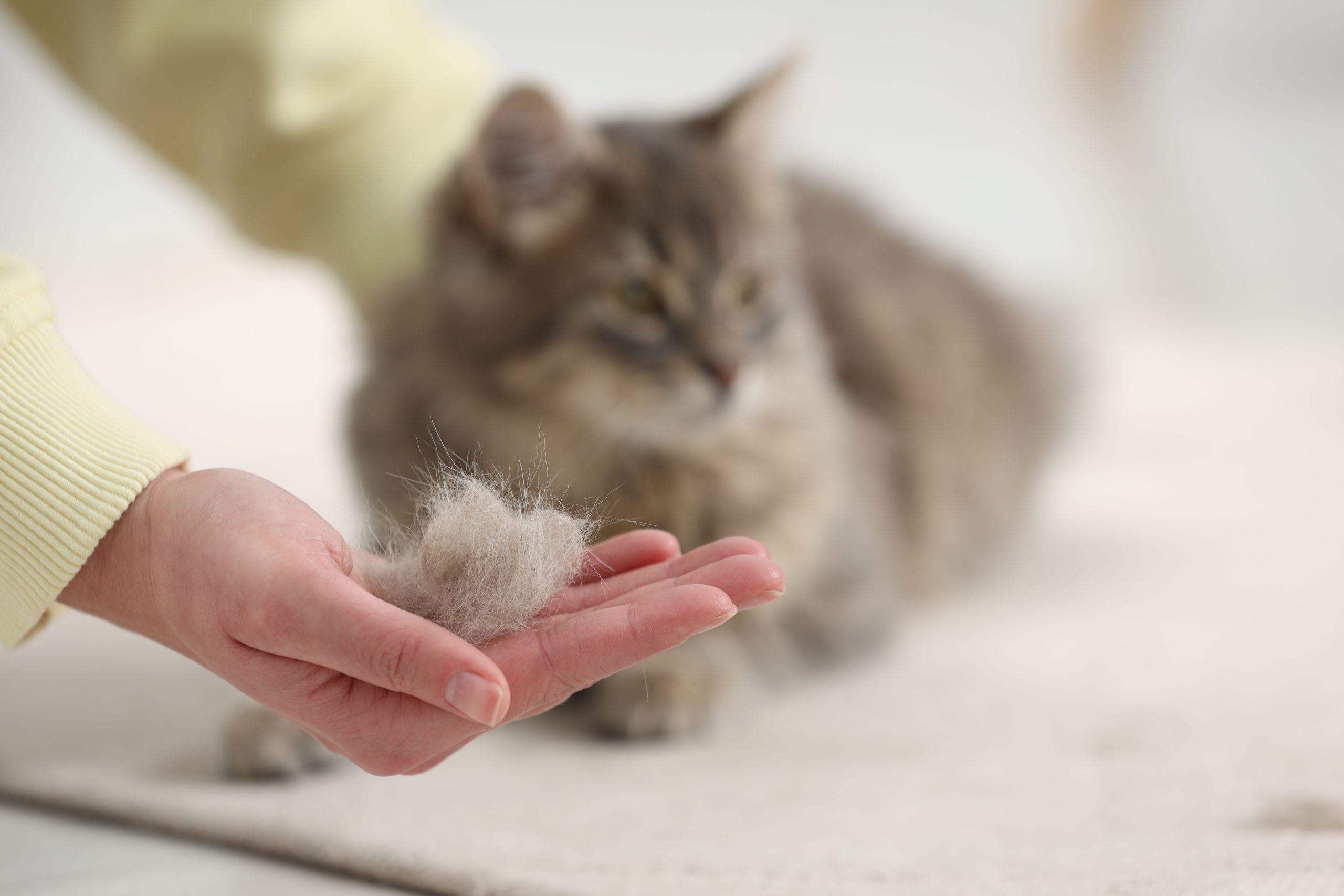
Hairballs, Shedding & Digestion: What’s Normal and What’s Not

As cat owners, one of the most common things we encounter is shedding and hairballs. While both are a normal part of a cat’s life, they can sometimes be a cause for concern, especially when it feels like the shedding is excessive or the hairballs are becoming more frequent.
At AnimaLife, we believe in educating pet owners to help them understand their cats’ behavior and health. In this article, we’ll explore what’s considered normal when it comes to hairballs, shedding, and digestion in cats, and what may require further attention.
Shedding: A Natural Process
All cats shed to some degree, but the amount of shedding can vary depending on the breed, environment, and season. Generally, shedding is completely normal, and it’s your cat’s way of getting rid of old or damaged fur to make way for new growth. However, there are certain factors that can influence the amount of hair they shed.
What’s Normal?
- Seasonal Shedding: Most cats experience more shedding during the spring and fall. This is because their bodies are adjusting to the changing temperatures, shedding their heavier winter coats and growing in lighter, shorter fur for warmer weather.
- Breed Differences: Long-haired cats tend to shed more compared to short-haired breeds. However, all cats will shed to some extent.
- Healthy Shedding: If your cat is shedding regularly but not excessively, it’s likely just part of their normal coat maintenance. You may find hair around your home or on their bedding, but there shouldn’t be bald spots or thinning patches.
What’s Not Normal?
- Excessive Shedding: If your cat is shedding far more than usual, it could be a sign of stress, poor diet, or a health issue. Excessive shedding can also occur in cases of allergies or if your cat is suffering from hormonal imbalances.
- Bald Patches: If your cat is losing fur in patches or if the fur is thinning unevenly, it could be a sign of an underlying medical condition, such as flea infestations, ringworm, or skin infections. Consult your veterinarian if you notice bald spots or uneven shedding.
Hairballs: What’s the Fuss About?
Hairballs are another common concern among cat owners. Cats groom themselves regularly, and as they do, they swallow loose fur. Most of the time, this fur passes through the digestive system without issue. However, in some cases, hairballs can form and need to be expelled.
What’s Normal?
- Occasional Hairballs: It’s normal for cats to cough up a hairball from time to time, especially if they are long-haired breeds.
- Regular Grooming: Cats that groom themselves frequently are more likely to ingest hair, which could result in hairballs. If your cat is grooming normally and not showing signs of distress, occasional hairballs are likely not a cause for concern.
What’s Not Normal?
- Frequent Hairballs: If your cat is coughing up hairballs more than once a week or seems to be struggling to bring one up, it could indicate a digestive issue or excessive fur ingestion. Some cats might have problems with hairballs due to poor digestion or constipation.
- Straining or Vomiting: If your cat is frequently straining or vomiting without producing a hairball, this could point to gastrointestinal issues or a blockage. It’s important to monitor your cat’s behavior and seek veterinary advice if this persists.
Digestion: The Key to a Healthy Cat
A healthy digestive system is essential for your cat’s overall well-being. While shedding and hairballs are often linked to their grooming habits, digestion plays a big role in how well they handle the fur they ingest.
What’s Normal?
- Healthy Poop: A healthy cat should have firm stools that are easy to pass. Regular litter box checks will help you monitor your cat’s digestive health. If you notice any changes in your cat’s stool, such as diarrhea or constipation, this could be a sign of an issue.
- No Vomiting: Occasional vomiting in cats, particularly after eating, can happen. However, it should not be a frequent occurrence. If your cat vomits after eating regularly, it may indicate that the food isn’t being digested properly, or they may be eating too quickly.
- Regular Bowel Movements: Cats should have a regular bowel movement schedule, typically once or twice a day. Irregularities such as very infrequent or very frequent stools should be looked at by a veterinarian.
What’s Not Normal?
- Frequent Vomiting: If your cat is vomiting frequently, especially without producing hairballs, it could be a sign of a more serious condition such as gastrointestinal disease, food allergies, or even parasites.
- Diarrhea or Constipation: Chronic diarrhea or constipation can be signs of health problems like irritable bowel disease, food intolerances, or infections. Pay attention to any changes in your cat’s litter box habits and contact a veterinarian if these symptoms persist.
- Changes in Appetite: A sudden change in appetite, whether your cat is eating too little or too much, can signal a health issue, such as dental disease, thyroid problems, or digestive disorders.
How Can AnimaLife Help?
At AnimaLife, we’re committed to providing your cat with the highest quality nutrition to support their health, including digestive health. Our formulas are specially designed to promote healthy digestion, reduce shedding, and minimize hairball formation. Whether you’re dealing with excessive shedding, frequent hairballs, or digestive concerns, providing your cat with the right nutrition can help keep their coat shiny, their digestion healthy, and their overall health in check.
Conclusion
While hairballs, shedding, and digestive concerns are common in cats, they can sometimes signal underlying health issues. Understanding what’s normal and what’s not is crucial for keeping your cat healthy and comfortable. Regular grooming, a balanced diet, and a clean environment are key factors in managing these issues. If you notice anything unusual with your cat’s shedding, hairballs, or digestion, don’t hesitate to consult your veterinarian to ensure your cat stays happy and healthy.
