
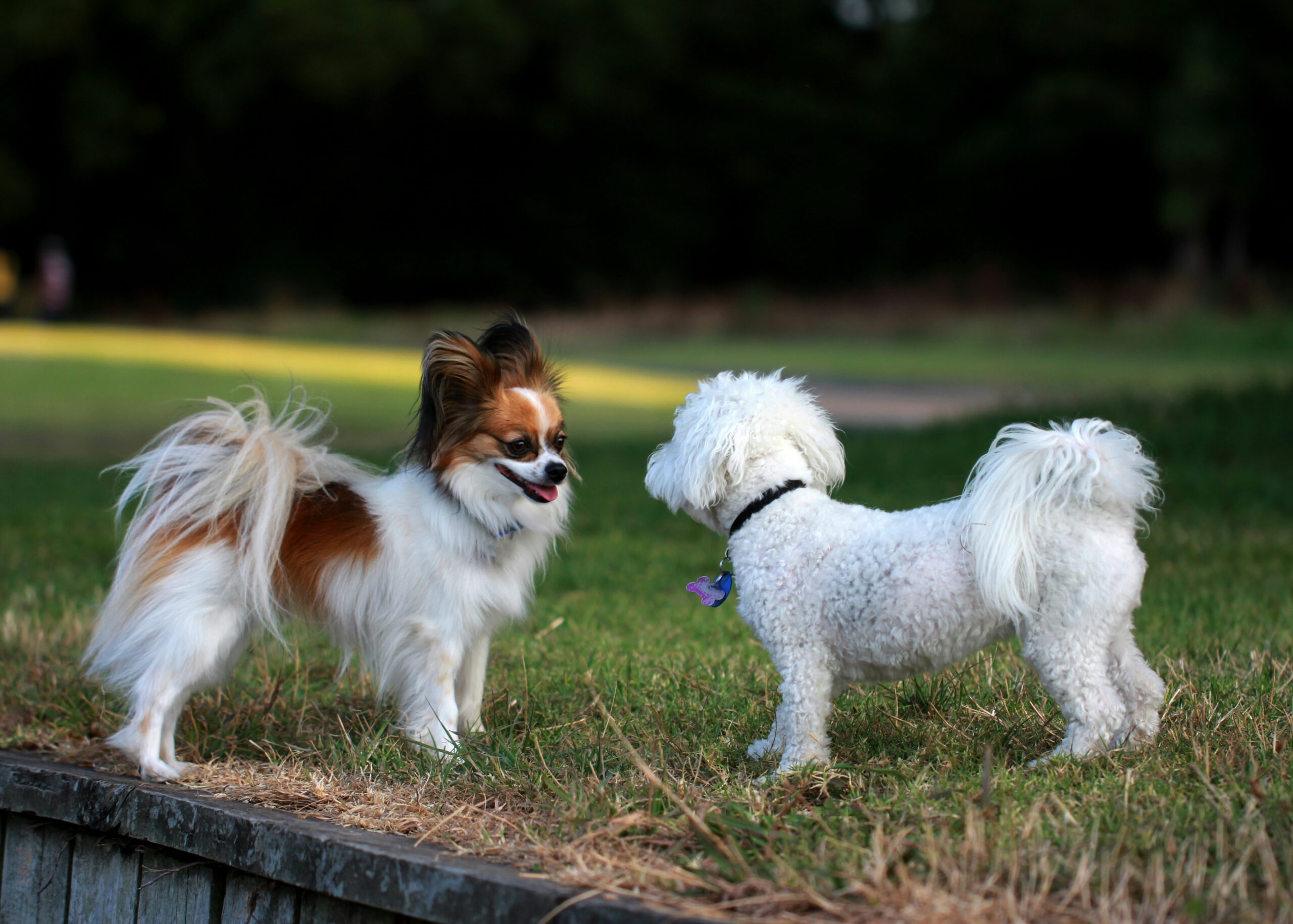
Understanding Your Pet’s Body Language

Long before a bark, meow, or growl, most pets are already telling you how they feel — through posture, ears, tail position, and subtle facial cues. Learning this silent language makes for a much smoother relationship.
Reading Ears and Tail
In dogs, a loose, wagging tail held at a neutral height usually signals relaxed happiness, while a stiff, high tail can mean alertness or tension. In cats, a tail held straight up often means confidence, while a puffed-up tail signals fear or agitation. Ears pinned back, in either species, are a reliable sign of stress.
Signs of Stress vs. Excitement
Panting, lip-licking, and yawning outside of normal contexts can all be signs of stress in dogs, not just tiredness. Cats show stress through dilated pupils, a lowered body, or sudden stillness. Learning your own pet’s baseline makes it much easier to notice when something is off.
