
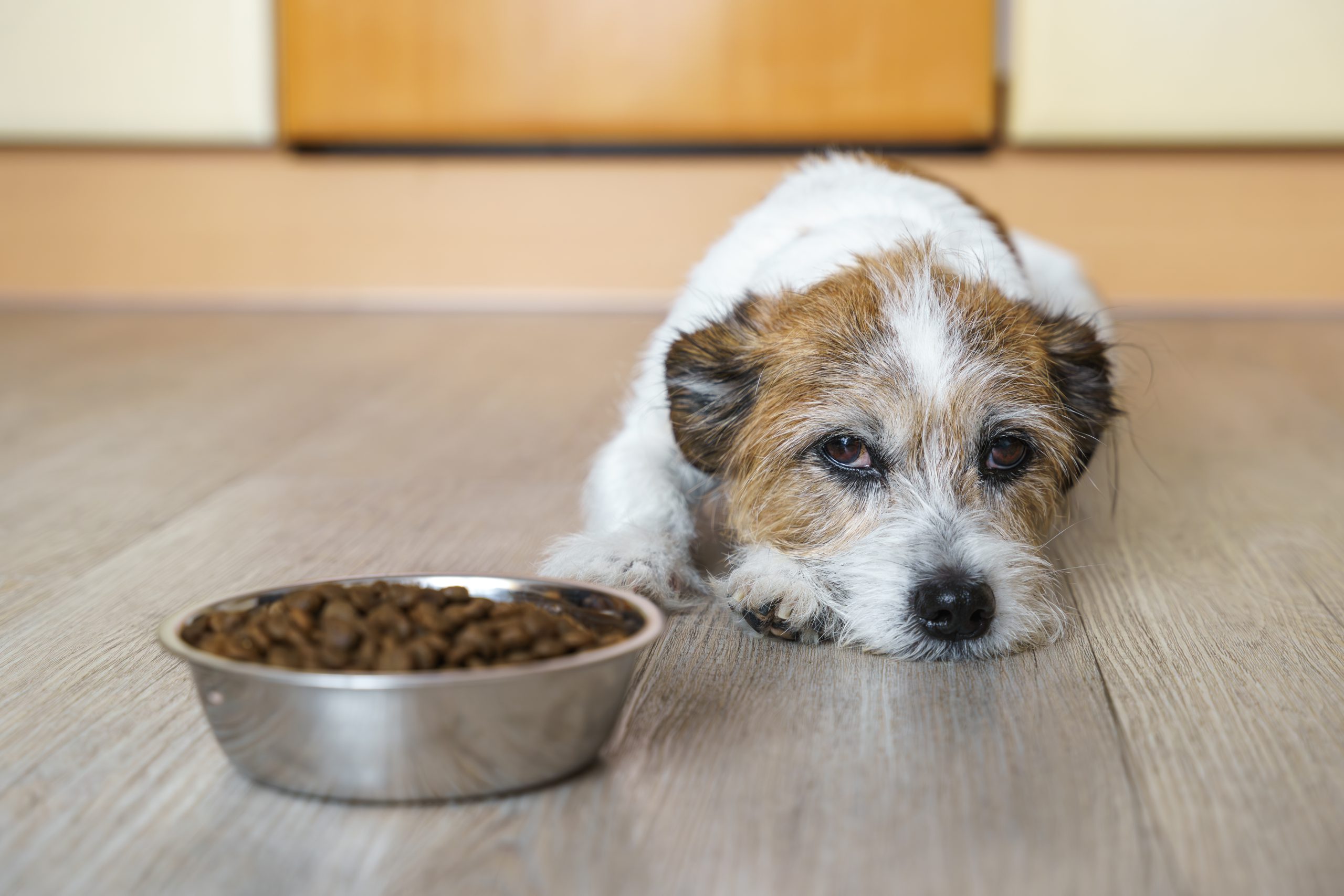
Why Your Dog Isn’t Eating and When to Be Concerned
It can be worrying when your dog suddenly loses interest in food. One day they’re excited for every meal, and the next, they’re walking away from their bowl. So, what’s really going on?
At AnimaLife, we know that appetite is one of the clearest indicators of your dog’s overall health. A missed meal might not mean much, but a pattern is something you shouldn’t ignore. Let’s break down the real reasons behind it.
Not Every Missed Meal Is a Problem
First, it’s important to understand that dogs, like humans, can have off days. Your dog might skip a meal due to:
- A change in routine
- Less physical activity than usual
- Weather changes (especially in hotter climates like Egypt)
- Temporary mood shifts
If your dog is otherwise active, playful, and drinking water normally, skipping one meal is usually not a cause for concern.
Behavioral Reasons: When It’s About Preference
Sometimes, the issue isn’t health, it’s behavior. Dogs can become selective eaters due to:
- Too many treats throughout the day
- Frequent food changes, making them expect something “better”
- Human food exposure, leading them to reject their regular meals
- Irregular feeding schedules
In these cases, your dog isn’t refusing food, they’re just waiting for a better option.
Environmental Factors Matter More Than You Think
Dogs are sensitive to their surroundings. Things that can affect appetite:
- Stress or anxiety (new home, loud environments, new people or pets)
- Changes in feeding location
- Disruptions in routine
Even small changes can make your dog feel unsettled, and that often shows in their eating habits.
When It Could Be a Health Issue
Loss of appetite becomes more serious when it’s persistent or paired with other symptoms. Watch out for:
- Vomiting or diarrhea
- Lethargy or low energy
- Sudden weight loss
- Signs of pain (whining, restlessness)
- Refusal to eat for more than 24-48 hours
Possible causes include digestive issues, infections, dental problems (pain while chewing), food intolerance, or underlying medical conditions. If you notice any of these signs, it’s important to consult a veterinarian.
The Role of Nutrition
Sometimes, the issue isn’t that your dog doesn’t want to eat, it’s that the food doesn’t meet their needs. Dogs require balanced nutrients, high-quality ingredients, and formulas suited to their size, age, and activity level. Low-quality or unsuitable food can affect both appetite and digestion.
How AnimaLife Helps
At AnimaLife, we design our formulas to support your dog’s overall health, starting with appetite. Our food is carefully formulated to be nutritionally balanced, made to support digestion and energy levels, and tailored to suit different sizes and life stages. Because when your dog is getting what they truly need, eating becomes natural, not a struggle.
What You Can Do
If your dog isn’t eating, here are simple steps to try:
- Stick to a consistent feeding schedule
- Limit treats and avoid table scraps
- Keep the feeding area calm and familiar
- Avoid switching foods too often
- Monitor behavior, not just appetite
Consistency is key.
Conclusion
A dog skipping a meal isn’t always a red flag, but repeated loss of appetite is something to take seriously. The key is observation. Look at the full picture: behavior, energy, digestion, and routine. And remember, eating habits are often the first sign that something needs attention. At AnimaLife, we’re here to support you with the knowledge and nutrition your dog needs to stay healthy, active, and happy.
