
The Truth About Picky Eating in Cats: Habit or Health Issue?

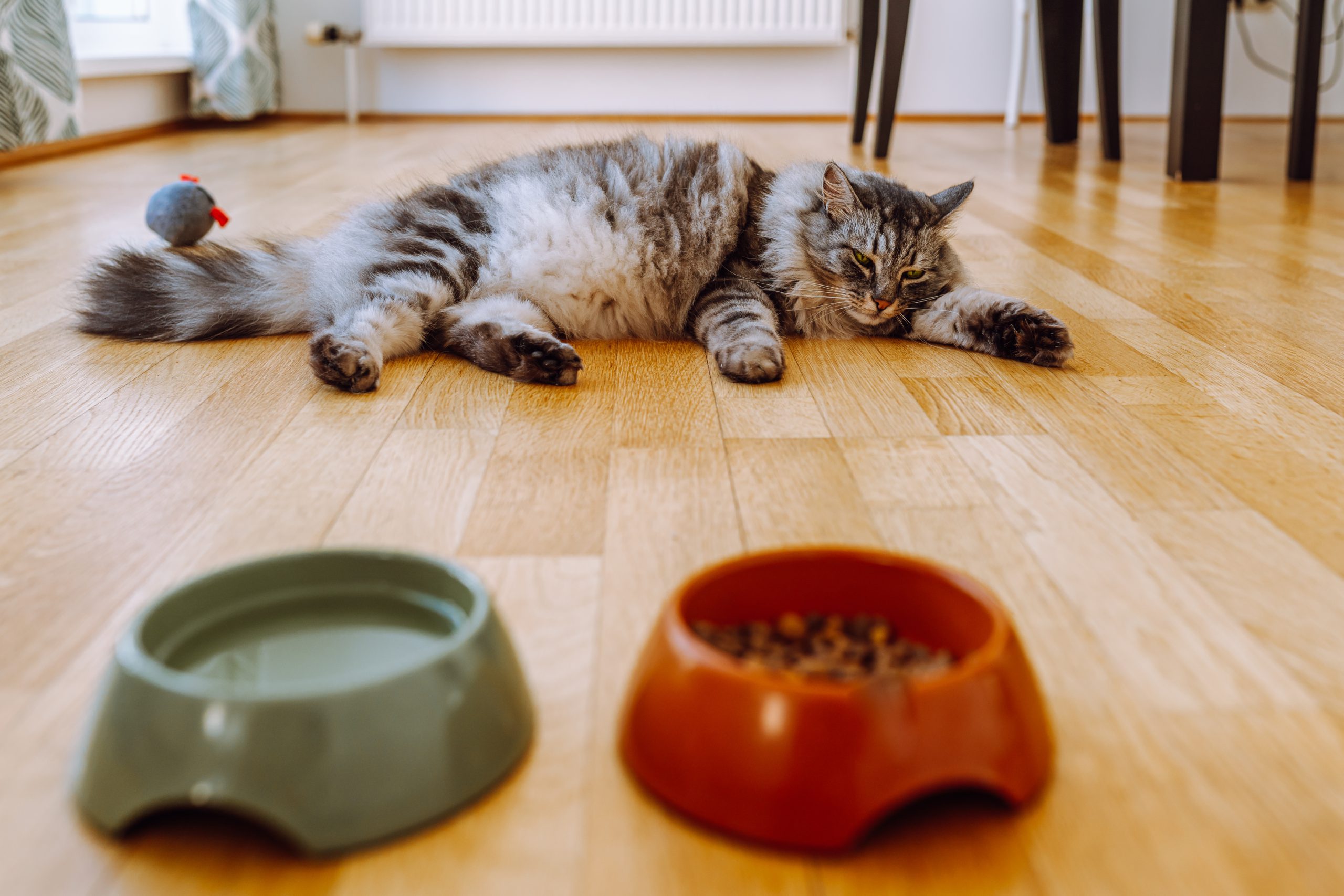
As pet owners, one of the more frustrating experiences we can face is when our cat refuses to eat. You may have experienced it yourself: your cat sniffs the food, gives it a disinterested look, and walks away. But what’s really behind this behavior? Is your cat just being picky, or could there be an underlying health issue?
At AnimaLife, we understand how concerning it can be when your cat’s eating habits change. In this article, we’ll explore the reasons behind picky eating in cats and help you distinguish between a simple habit and a more serious health concern.
Is It a Habit or a Health Issue?
There’s no denying that cats can be particular when it comes to their food. It’s important to understand that a cat’s refusal to eat is not always a simple case of being “picky.” It can often be a sign of something more serious. Let’s break it down.
1. Behavioral Reasons (The Habit)
A cat’s eating habits are shaped by both its environment and early experiences. If a cat has had multiple opportunities to choose or reject its food, it might develop a habit of being selective. Cats are creatures of routine, and sometimes, they simply refuse to eat certain foods because they prefer something else. Factors contributing to picky eating as a habit include:
- Monotony of Food: If your cat’s diet lacks variety or has been the same for a long time, it may lose interest in the food.
- Poor Food Presentation: Cats are visually-oriented eaters. If their food looks unappealing or is served in a messy dish, they might refuse to eat.
- Stress and Anxiety: Changes in the household, such as a new pet, moving to a new home, or even loud noises, can cause your cat to eat less or be selective about their food.
- Food Freshness: Even with dry food, freshness is key. If your cat’s food has been sitting around too long or exposed to air, it may lose its appeal. Always store dry food properly to ensure its flavor and scent remain enticing.
2. Health Concerns (The Real Issue)
While many cats are just finicky eaters, some may refuse to eat due to health issues. A loss of appetite is a common symptom of several medical conditions, and it’s important to monitor any changes in your cat’s eating habits. Here are some health-related causes of picky eating:
- Dental Problems: Cats with dental issues, such as gum disease, broken teeth, or abscesses, may find it painful to chew, causing them to refuse food. Check for signs like drooling, pawing at the mouth, or bad breath.
- Gastrointestinal Problems: Conditions such as nausea, constipation, or stomach sensitivities can cause your cat to eat less. If your cat is vomiting or showing signs of discomfort after eating, this could indicate a health problem.
- Food Allergies or Intolerances: Cats can develop food sensitivities or allergies to certain ingredients in their food, leading to a reluctance to eat. If your cat suddenly starts rejecting a food they once loved, it might be due to an allergy.
- Infections or Diseases: Illnesses like kidney disease, liver problems, or infections can reduce your cat’s appetite. These conditions may also be accompanied by weight loss, lethargy, and behavioral changes.
What Should You Do if Your Cat Is a Picky Eater?
If your cat’s refusal to eat is sudden or accompanied by other symptoms such as vomiting, weight loss, or lethargy, it’s essential to seek advice from a veterinarian. However, if your cat’s picky eating is more of a behavioral issue, here are a few tips to encourage better eating habits:
- Offer a Variety of Foods: Cats are more likely to eat if they’re given a variety of textures and flavors. Try mixing wet and dry food or rotating between different flavors and brands.
- Gradually Introduce New Foods: If you’re transitioning to a new food, do it slowly over several days to avoid upsetting your cat’s stomach.
- Create a Calm Eating Environment: Cats are sensitive to their surroundings. Make sure their feeding area is quiet, safe, and free from distractions.
- Store Dry Food Properly: To maintain freshness and appeal, ensure that dry food is stored in a sealed container and kept in a cool, dry place.
- Regular Vet Check-Ups: Regular visits to the vet will help detect any potential health issues early on.
Conclusion
Picky eating in cats can be both a habit and a health issue, and it’s up to you as a pet owner to figure out the cause. While many cats are naturally selective with their food, a refusal to eat can sometimes indicate an underlying medical condition. If you notice other signs of illness, don’t hesitate to contact your veterinarian for a check-up.
At AnimaLife, we’re dedicated to helping you care for your furry friend with the best nutrition and tips to maintain their well-being. With a little patience and observation, you’ll be able to determine whether your cat is simply being finicky or if something more serious is at play.
